

Interview with The Adventures of Kidd Solar's Horace Dodd
Actor/Songwriter Turns to Gen AI to Create Animated Worlds of Wonder

This week I’m starting a new feature - interviews with creators - this first in a series starting with one of the first people I saw posting cool creative AI work online: Horace Dodd.
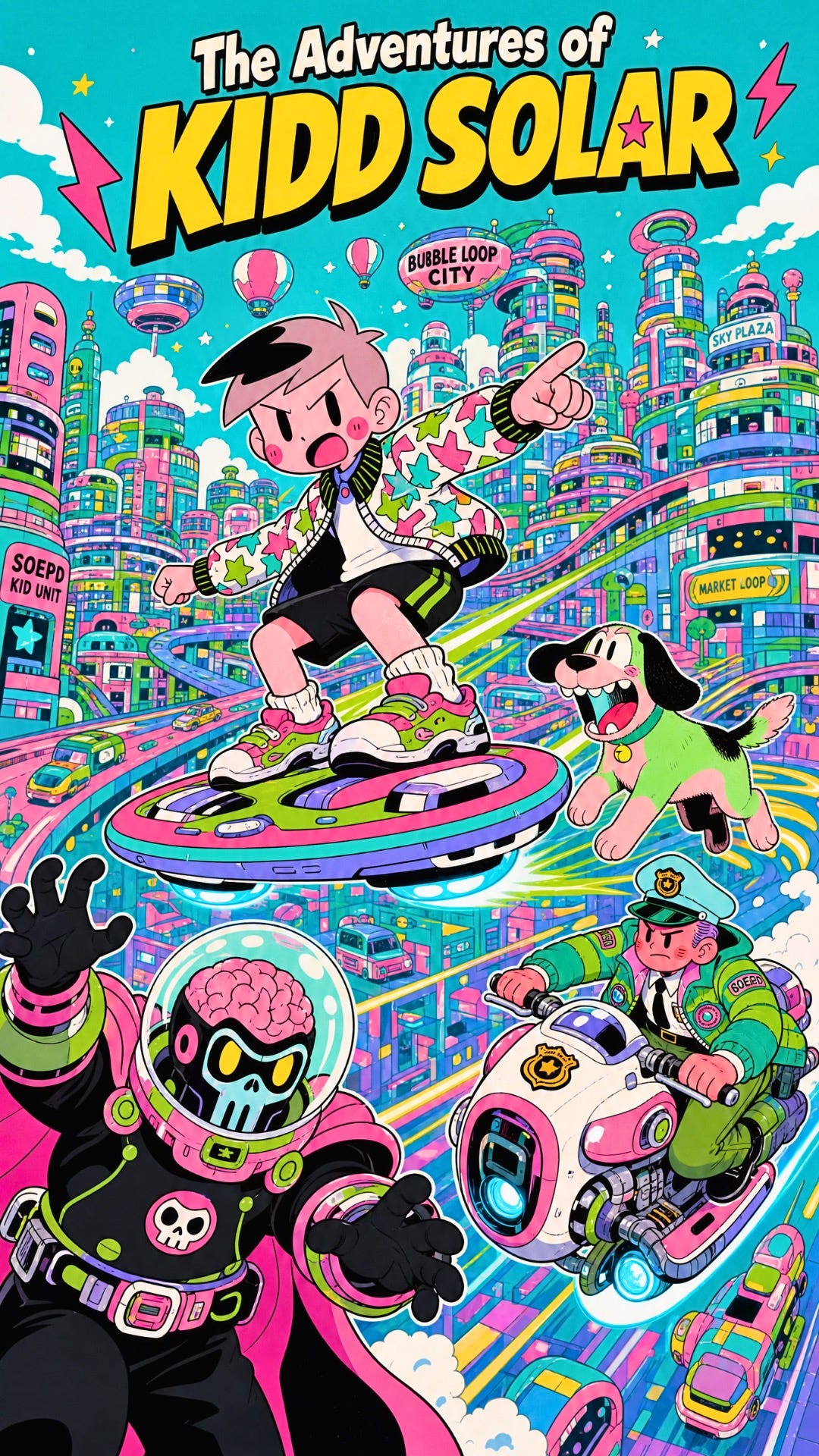
Horace Dodd is an actor, and songwriter/producer with 12+ years in film, television, and music. Today, he focuses on original animated storytelling: designing cinematic characters, stylized worlds, and short-form narrative sequences using modern GenAI production pipelines. He tells me he is committed to bridging traditional Hollywood craft with next-gen tools. I wanted to ask him about his work and the future of Gen AI Storytelling and Creative.
DreamAgents: What was the Ah-Ha moment between you and AI? What did you do that made you go, “damn, this is amazing, and I can see the future with it”?
Horace Dodd: My “Ah-Ha” moment with AI happened during the summer of 2023, during the SAG-AFTRA strike. I’m an actor by trade, and I’ve been working professionally for about 12 years. At the time, I was preparing to go back into production for a new season of The Family Business on BET, a show I had been part of for several years. Then the strike happened, and production paused.
So I was in this very specific moment where my industry was at a standstill. I was out marching with my peers, hearing a lot of fear and concern around AI — “AI is bad,” “AI is dangerous,” “AI is coming for artists.” And I understood the concern, because as actors and creatives, our work is deeply personal. But I also realized I couldn’t have a real opinion about AI if I had never actually used it myself.
So I went home and started researching. Around that time, ChatGPT was becoming the thing everyone was talking about, especially ChatGPT 3.5. I watched a few YouTube videos, opened it up, and decided to test it with something real. I had a piece of a script I had been working on, so I put part of it into ChatGPT and started asking questions. I asked it to break down the scene, give me insight into the characters, analyze motivations, themes, conflict, and emotional dynamics.
The response honestly blew me away.
It wasn’t that ChatGPT wrote a perfect script for me. That’s not what happened. But what it did feel like was having four or five creative assistants in the room with me — people who could help me think through the material, challenge the structure, point out emotional layers, and give me new angles to consider. As an actor, writer, and storyteller, that was huge.
That was the moment I saw the future. I realized AI wasn’t just some replacement tool or gimmick. Used correctly:
“It could become a creative collaborator — something that helps artists move faster, think deeper, and develop ideas with a level of support that most independent creators have never had access to.”
That was when everything clicked for me. I went from seeing AI as this distant, controversial topic to realizing, “Oh, this is going to completely change the way we create.”
DA: As a creative person, what part of AI do you think it amplifies in your mind and your work?
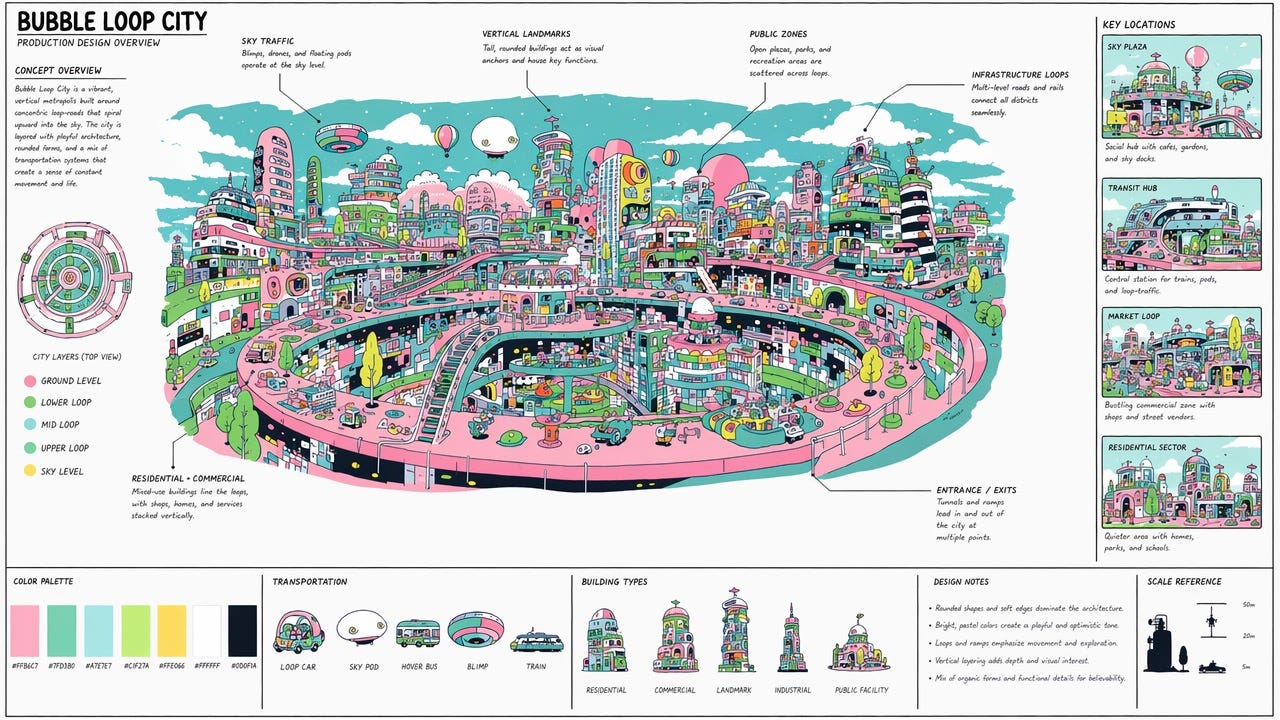
HD: AI amplifies my imagination, but more specifically, it amplifies my ability to iterate. I can explore ten versions of an idea instead of one. I can test tone, style, character, world, camera language, and emotion before committing to a final direction. That is incredibly powerful for someone who thinks cinematically.
It also amplifies my taste. I don’t believe AI replaces taste — it actually makes taste more important. The tool can generate, but the artist still has to direct. You have to know what is emotionally truthful, what feels cinematic, what feels cheap, what feels derivative, and what actually serves the story. For me, AI helps bring the ideas in my head into the world faster, but my experience as an actor, songwriter, and storyteller is what shapes the final result.
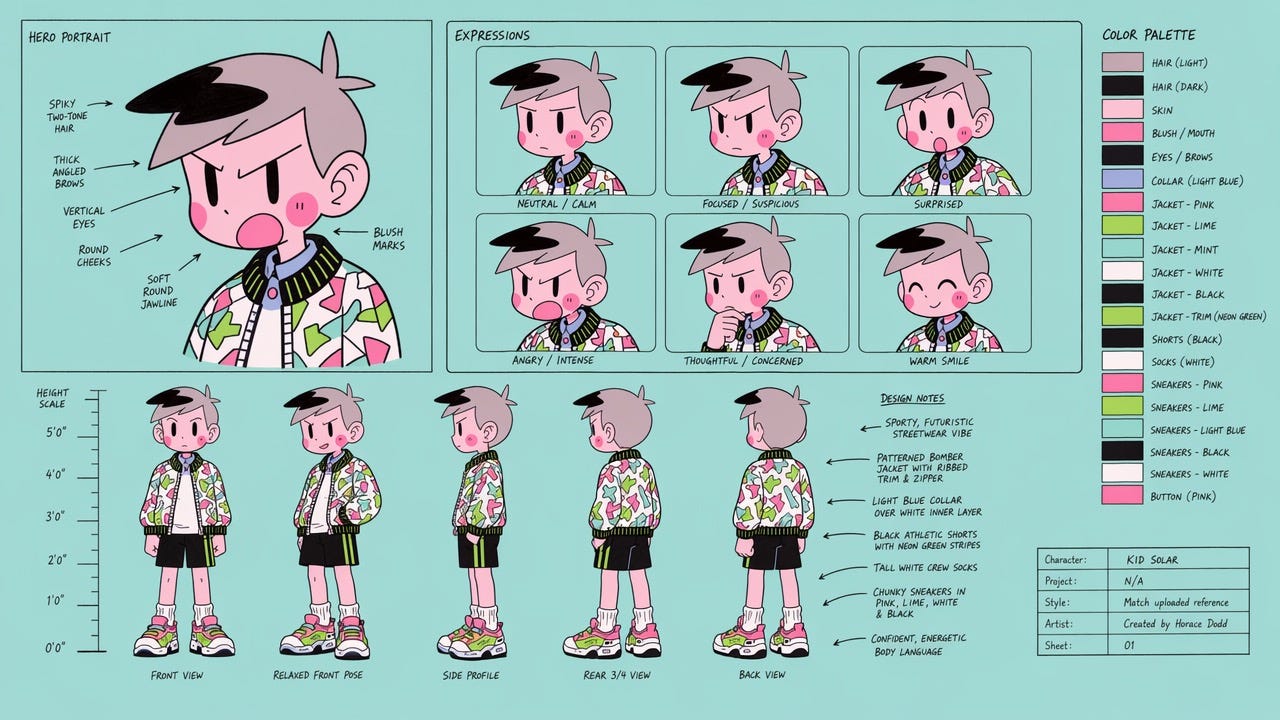
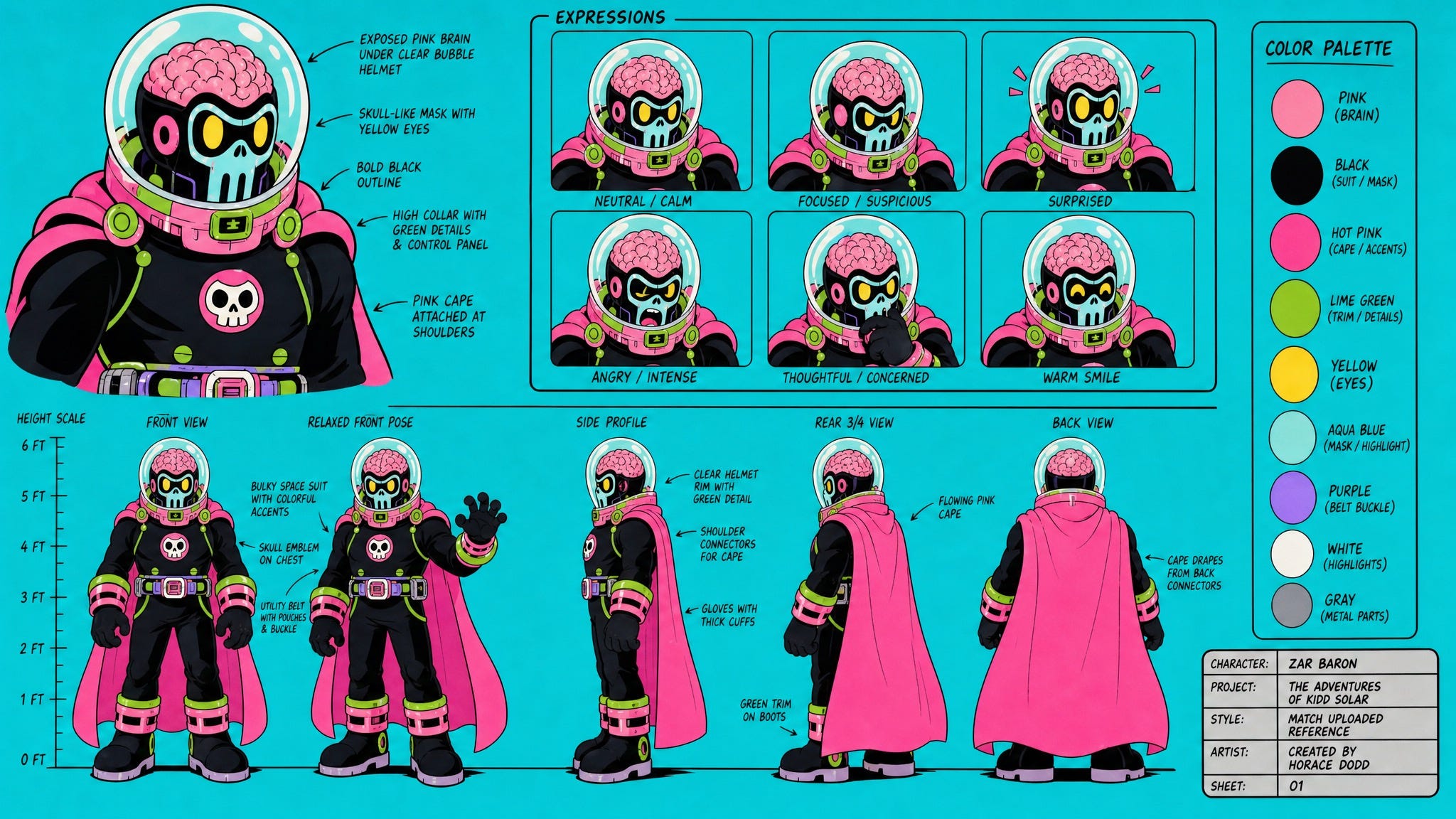
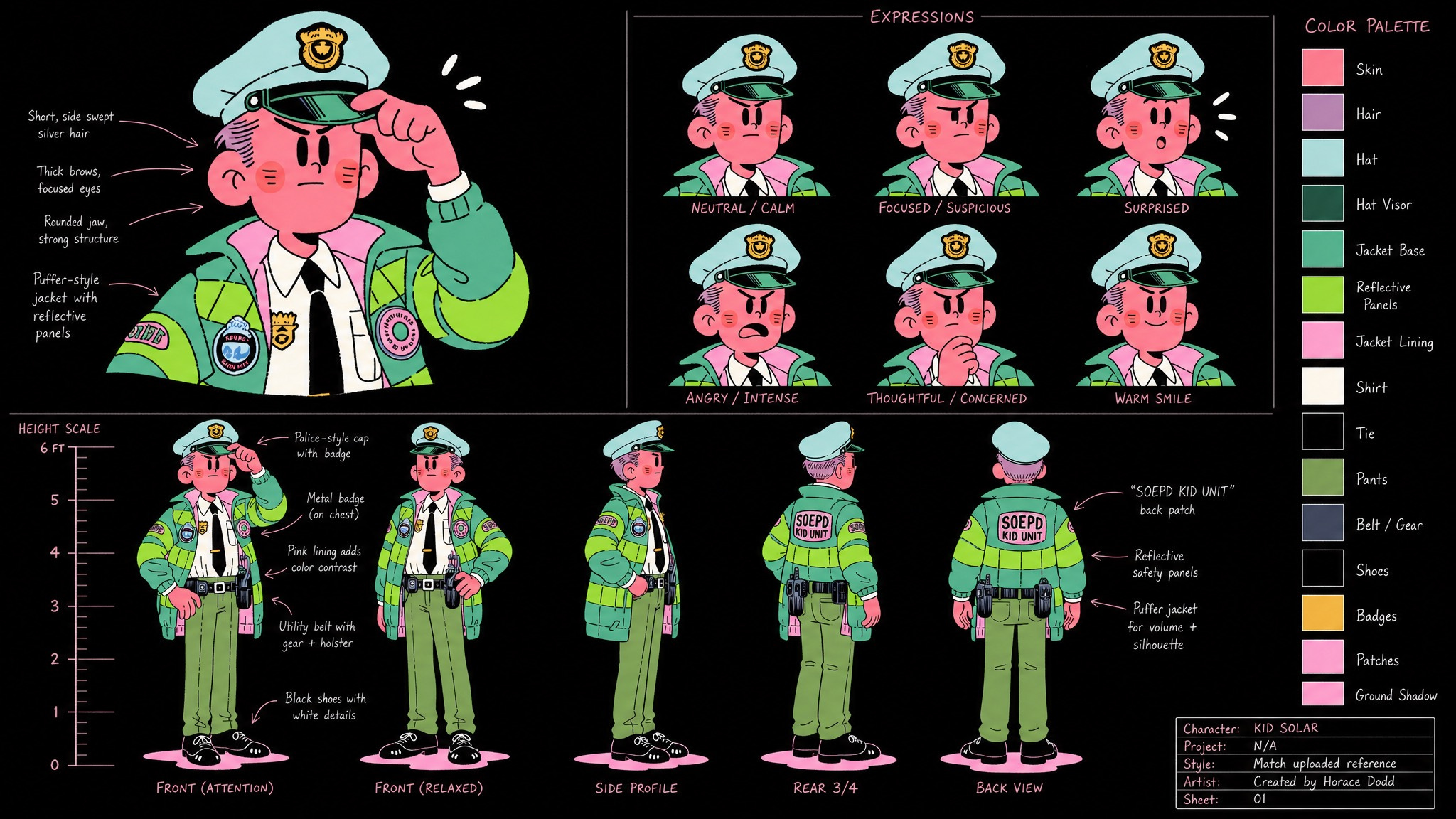
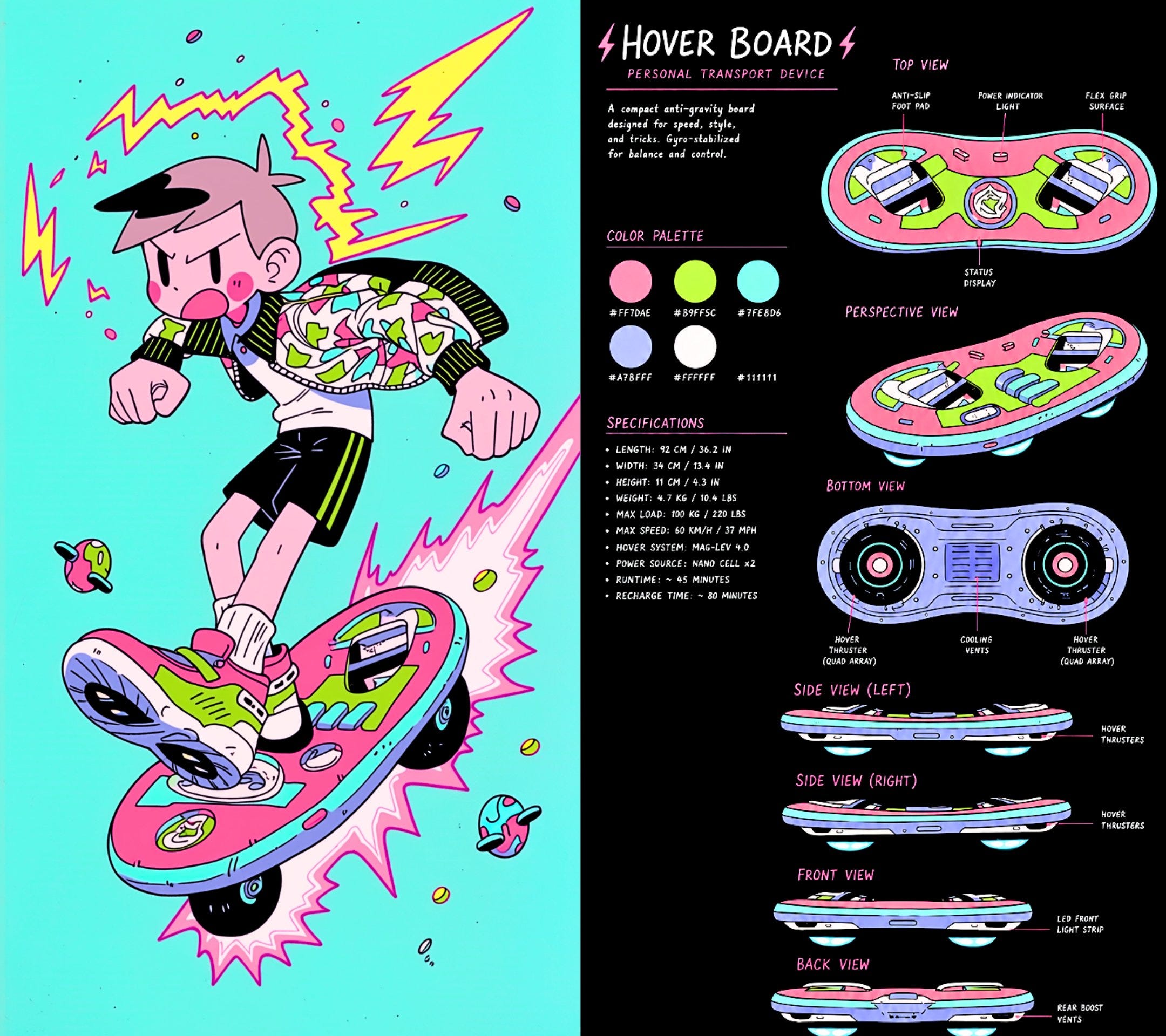
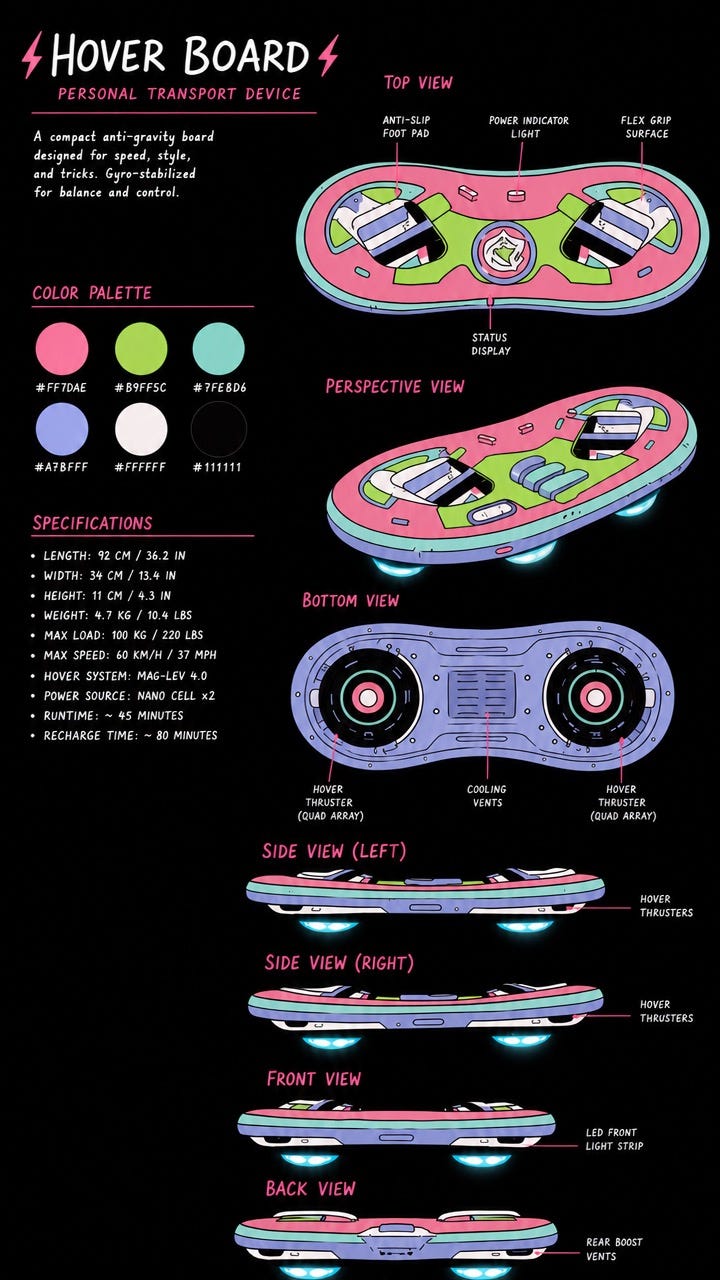
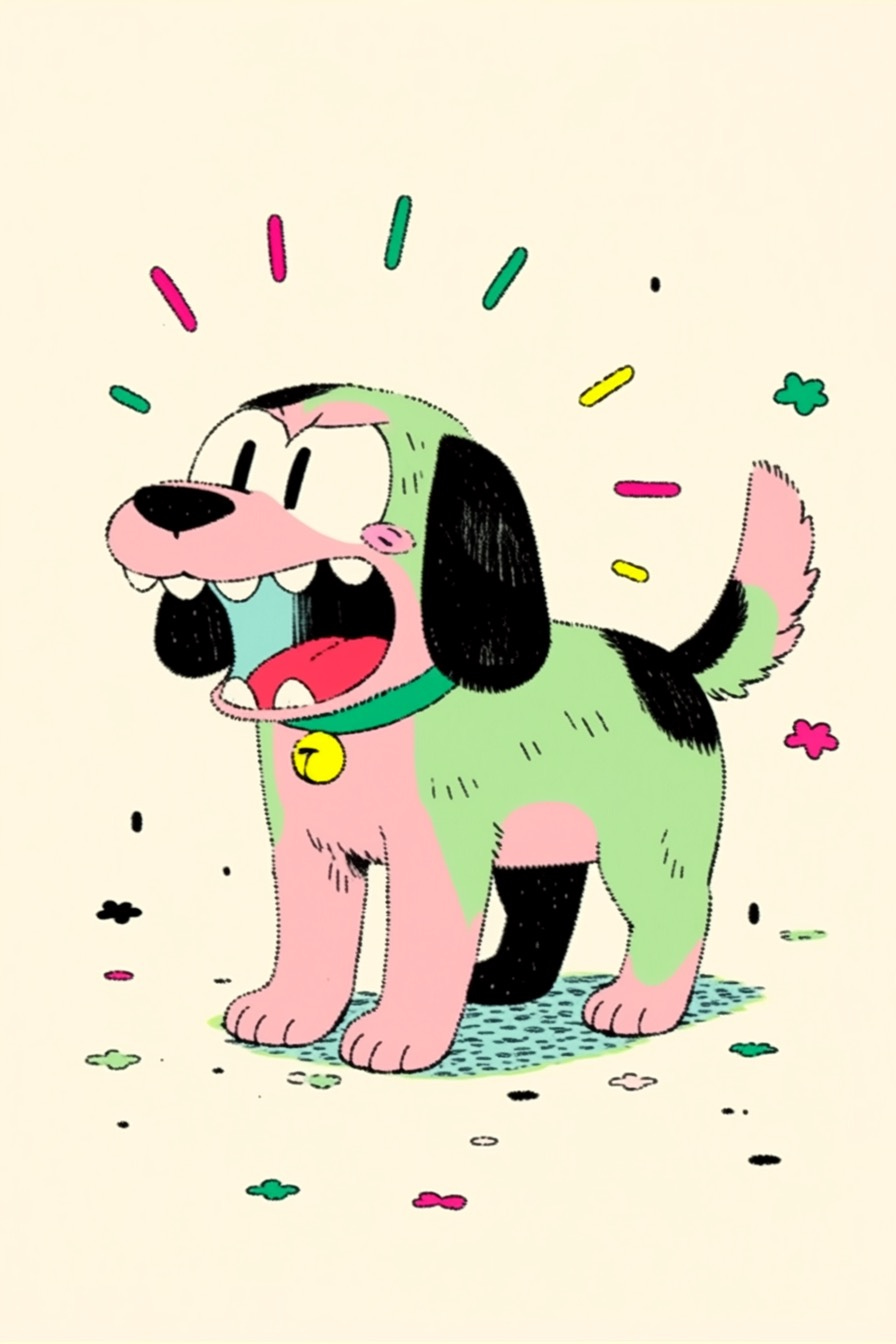
DA: You have a ton of amazing work on X, but I decided to zero-in on Kidd Solar which looks amazingly cool. Can you walk us through the steps to get this and the tools you used?
HD: Kid Solar actually started in a very organic way. It began with a Midjourney style reference code that I came across and started experimenting with. At first, I was just iterating visually — generating characters, testing the look, pushing the style, and seeing what kind of world the aesthetic suggested.
As I kept working with that style reference, ideas started coming to me based on the look, feel, tone, and energy of the characters. The visuals had this really cool retro quality, but they also felt modern and fresh. The colors were vibrant and different from a lot of what we’re used to seeing in 2D animation right now. That visual language started to tell me what the story could be.
From there, I began shaping the concept of Kid Solar. I fleshed out the character, the tone, the world, and the bigger mythology around it. Kid Solar is actually part of a larger universe I’ve started developing. I’m still polishing it, but the foundation is there — the characters, their motivations, the world rules, and the broader story engine. Once I’m able to devote more focused time to it, I think it has the potential to become something really special. Visually, it has a strong identity, and I think audiences could really gravitate toward it.
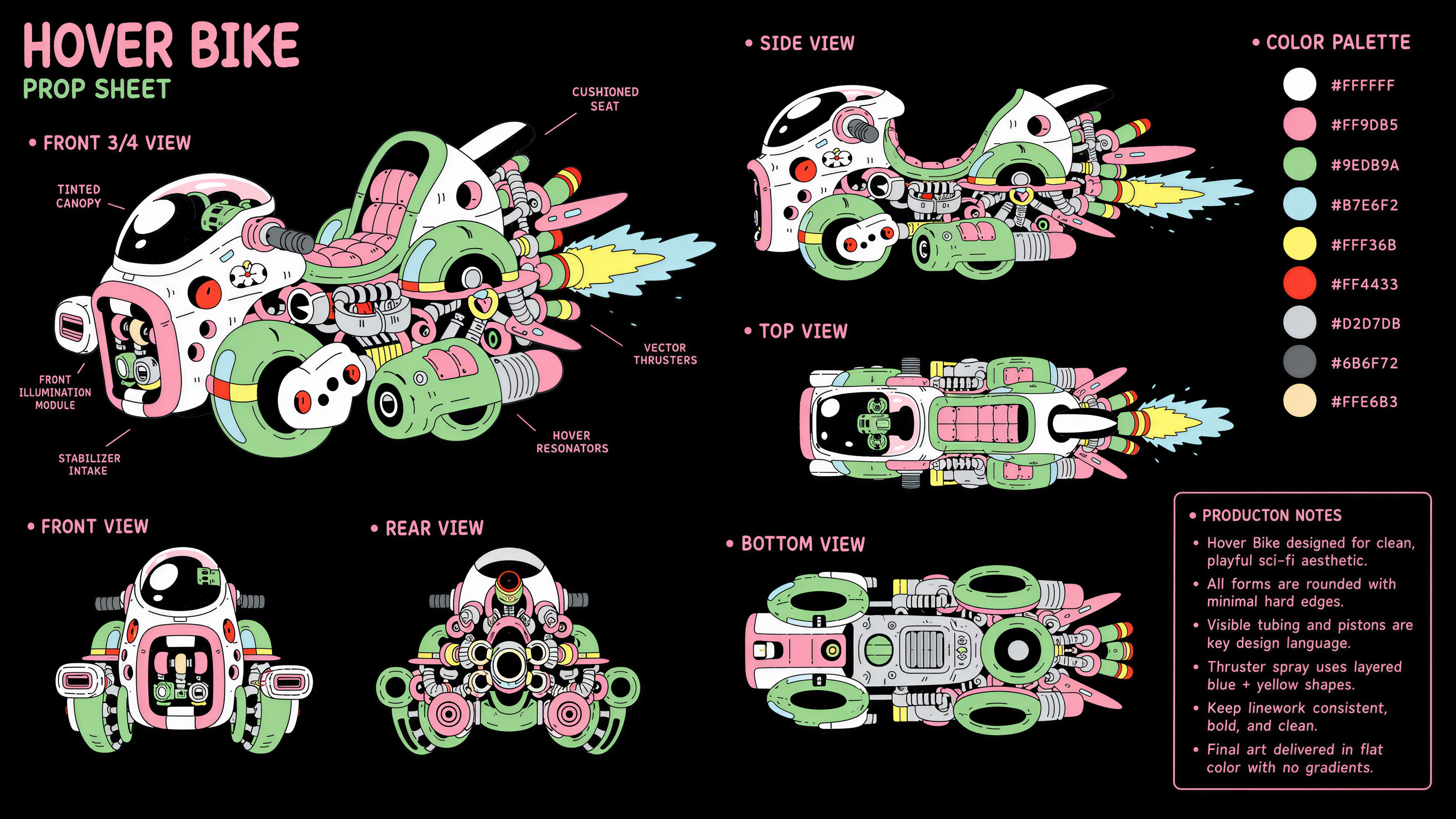
The workflow itself was similar to one of my standard AI production pipelines. I used Midjourney heavily for the original character and style exploration. I also used GPT Image 2 for additional image work and visual refinement. For writing and development, I used Claude to help me iterate on the concept, organize the worldbuilding, and think through character motivations and story structure.
Once I had the visual direction and concept in place, I moved into animation using Seedance 2.0. That’s where I started turning the design frames into motion and building the short demo. After that, I edited the piece in CapCut. I still use tools like Final Cut Pro, Premiere, and DaVinci Resolve, but CapCut has become a major part of my workflow, especially for short-form content. It’s fast, intuitive, and increasingly powerful. For the kind of short-form cinematic AI content I’m making right now, it allows me to move quickly while still shaping the piece with pacing, rhythm, music, and polish.
So the short answer is: Kid Solar wasn’t created from one prompt or one tool. It came from a full creative process — visual experimentation, concept development, worldbuilding, character work, animation, and editing. AI accelerated the process, but the piece still came from taste, direction, iteration, and storytelling.
DA: What do you personally think from your experiments AI cannot handle that you wish it could, and what do you think it will never be able to handle?
HD: Right now, AI still struggles with true long-form consistency. It can create beautiful moments, but maintaining the same character, performance, wardrobe, emotional continuity, and cinematic language across an entire film is still difficult. I wish the tools had better production memory — almost like a real assistant director, script supervisor, cinematographer, and editor living inside the same system.
It also still struggles with nuanced performance. As an actor, I notice this immediately. AI can create a face that looks emotional, but it doesn’t always understand subtext, restraint, timing, or the difference between “acting sad” and actually carrying grief. That human layer is still very hard to replicate.
What I don’t think AI will ever replace is the human “why.” It can generate images, but it doesn’t have lived experience. It doesn’t have childhood memories, heartbreak, faith, family, fear, ambition, or the personal reasons we tell stories in the first place. I think AI will become an incredible creative partner, but the soul, taste, ethics, and emotional truth still have to come from the artist.
DA: What are you working on now, and what tools are you most excited to see released?
HD: Right now, I’m working on several AI-native storytelling projects that sit at the intersection of film, animation, and interactive entertainment. I’ve been working with Fable Studios’ Showrunner AI on multiple pieces of content, including their original pilot, as well as original concepts I’ve created for their platform. What excites me about that work is that these aren’t just passive pieces of content. Once the full Showrunner AI platform launches, audiences will be able to watch these stories, but also interact with them as creators. That feels like a real glimpse into where entertainment is going.
I’m also working with Ultrahorse on a project involving their IP. That piece is a long-form anthology project, around 25 minutes, that I’ve worked on and completed. I’m really proud of how it turned out, and I can’t wait for people to see it. It’s one of those projects that shows how far AI filmmaking has come when you combine strong creative direction, worldbuilding, character consistency, editing, and real storytelling taste.
Beyond that, I’m continuing to develop my own original worlds, characters, trailers, and cinematic proof-of-concepts through Salt x Diamond. My focus is not just making impressive AI clips, but building real story engines — concepts that can grow into films, series, games, or interactive experiences.
As far as tools, I’m really excited about the next generation of AI film suites. I’m especially looking forward to seeing what Seedance 2.5 brings. I’ve heard a lot about it, and it sounds incredible. I’m part of the Creative Partner Program with Dreamina AI, and they’ve been a great partner to work with. I recently did a workshop with them that went really well, and I’ve been genuinely impressed by how strong their platform is becoming. Between Seedance 2.0, the upcoming evolution into Seedance 2.5, and the continued growth of Seedream, I think Dreamina is building one of the most exciting creative ecosystems in the space.
I’m also very excited about CapCut. I’m part of their CPP program as well, and I use CapCut constantly, especially for short-form content. It’s fast, intuitive, and increasingly powerful. I still use tools like Final Cut Pro, Premiere, and DaVinci Resolve, but CapCut has become a major part of my workflow because it allows me to move quickly while still shaping rhythm, pacing, sound, and final polish. I’m excited to see how it continues to expand with each new iteration.
More broadly, I’m excited to see how American AI video companies continue to compete in this space. I thought OpenAI showed a lot of promise with Sora (too bad it’s shut down), and I’m interested to see how they continue developing creative tools for filmmakers. GPT Image is already extremely strong, and it’s exciting to see that kind of competition between OpenAI, Claude, Google/Nano Banana, and the other major image and video platforms. That competition is good for creators because it pushes every tool to get better.
The big breakthrough I’m ultimately waiting for is a tool that lets you build a full production bible for a project — characters, locations, wardrobe, tone, cinematography, voice, world rules, and story rules — then maintain all of that consistently across an entire film or series. That’s when AI filmmaking will really move beyond impressive short clips and into full cinematic storytelling.
Follow Horace Dodd on X
Visit Salt x Diamond
Follow DreamAgents on X
AI Tools discussed in this interview:
ChatGPT and GPT Image 2
Midjourney
Capcut
Dreamina AI
Anthropic Claude
Amazing article! Great questions. Loved Horace insights 👏